What actually Web Development is ?
We wake up in the morning, check WhatsApp notifications. We go to a good restaurant, share a snap in Snapchat. We shop online in Flipkart. All these are the outcomes of Web Development. So, in this blog I'll share all the details of how can you can reach a point where you can build systems of your choice.
How Web Works ?
So, basically every time you visit a website, what is happening behind the scenes is this :
- You enter a url. (Eg : Flipkart)
- Browser finds the server. (DNS)
- Browser connects (TCP/TLS)
- Sends HTTP request.
- Server responds with HTML, CSS, JS.
- Browser renders and executes them.
- You see the webpage!
Foundations of the Web
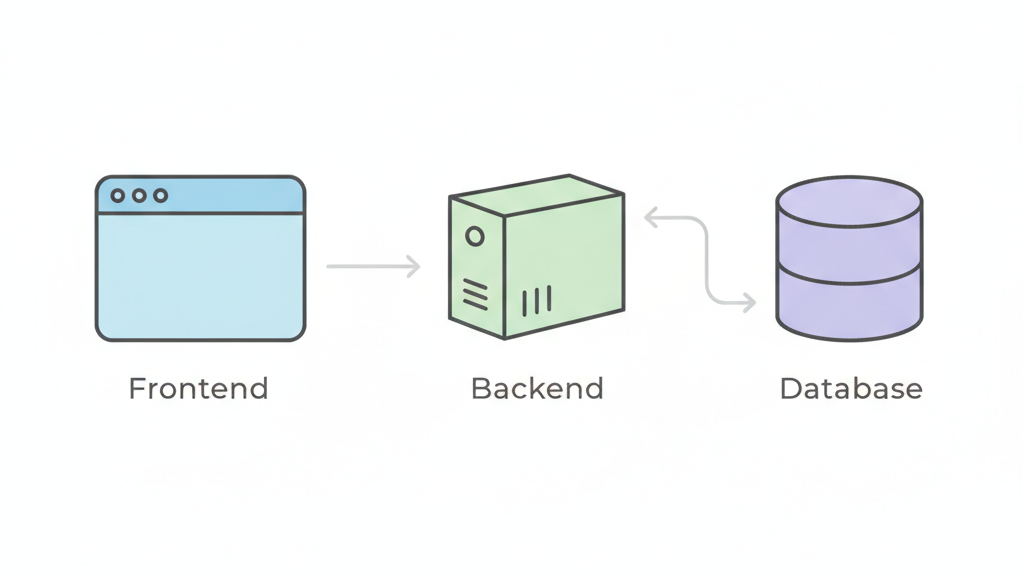
The Foundations of the Web form the backbone of everything we experience online. Every website, app, or digital platform you use is built upon a combination of core technologies and systems that work together seamlessly. Understanding these basics on how the frontend, backend, and databases interact, gives you the power to not just browse the web, but to build it yourself
The Two Sides of the Web : Frontend and Backend
Almost every website we use has two major parts. The frontend part where everything we see lies. This makes the websites look and feel good. The other one is the backend, where every logic, data, storage lies. This is the part responsible for security.
Frontend : What Users See and Interact With
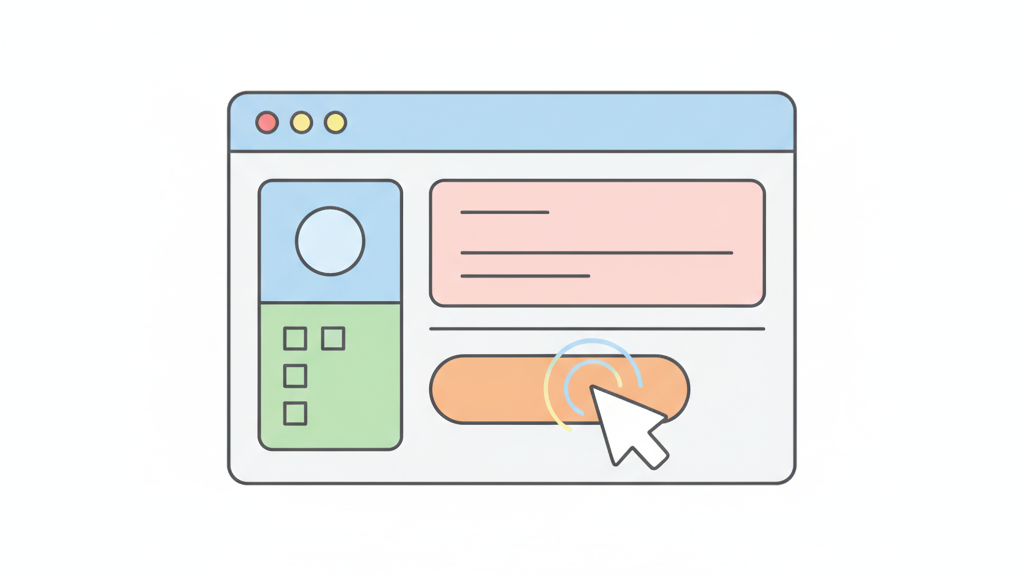
We search something in a browser, we see webpages / websites. These are the frontend of that website. We click something and see some animations, we click buttons to do something. So everything you see in the presentation layer is the frontend. This is where you bring your website to life — the part that decides whether users go ‘Awww!’ or ‘Ahh!’.
Some popular Frontend Libraries :
- Legendary HTML - CSS
- React.js
- Next.js
- AngularJS
Backend : The Brain Behind the Scenes
While the frontend focuses on what users see, the backend ensures everything works exactly as intended. So, lets say you are trying to build an app similar to Instagram, so you have a logic in your mind, that any user can like to a post only once. So that no user can add 100 likes on his own, to his own post. But being web developers, we bring this to code and all this goes into the backend where every logic executes as it is ! So, even if someone bypasses client side i.e., frontend, he can't break the logic in the backend. So, backend is where all logic stays and should stay.
Some popular Backend Libraries :
- Express.js
- Node.js
Database : Where All the Information Lives
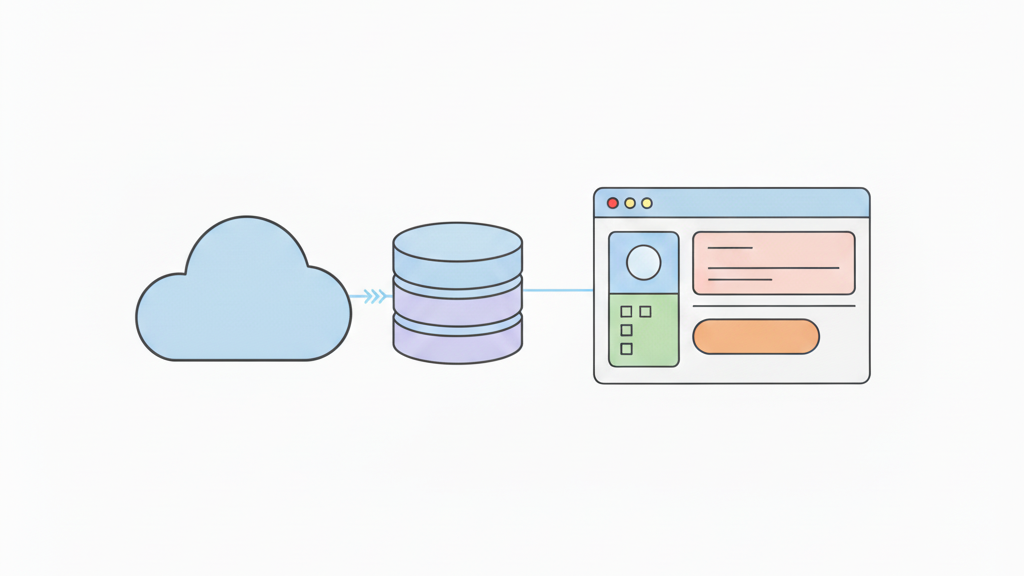
Lets say you visit Flipkart and there is no items in it. You send a WhatsApp message and it immediately disappears there after. Unimaginable right ? This is what life is without databases. So, to store any information, we need a database. This is where Flipkart saves items and WhatsApp stores messages. This is the source of truth between a frontend and a backend.
Some popular Databases :
- MongoDB
- MySQL
- PostgreSQL
- Redis
Without databases, the web would have no memory — every page refresh would start from zero.
How everything connects (Client Server Model)
Let’s tie everything together!
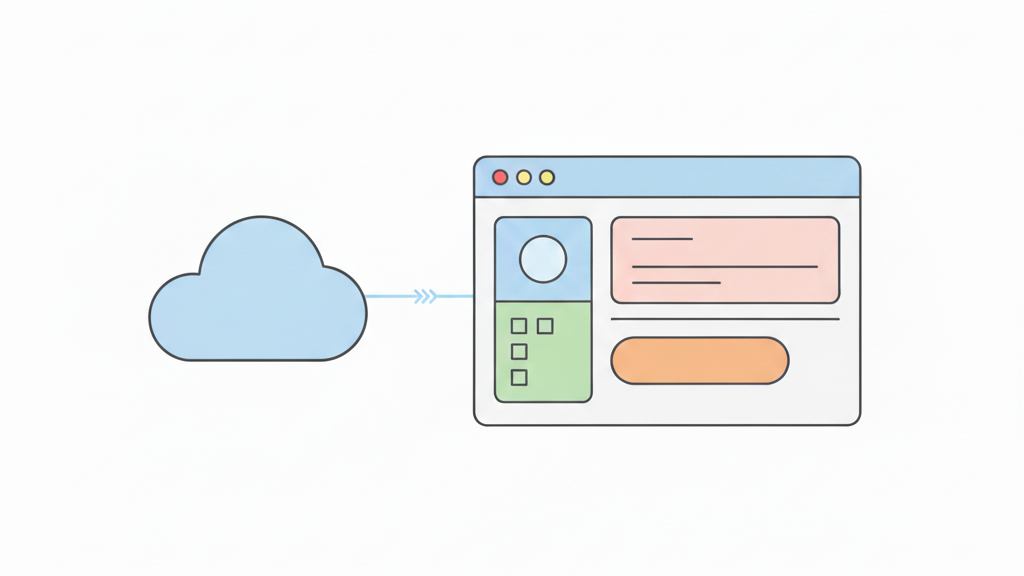
When you open a website, your browser (called the client) sends a request to a server — a computer somewhere in the world that hosts your app.
- The frontend (client) is what users interact with — it sends requests like “Get me the list of posts” or “Send this form data.”
- The backend (server) receives those requests, runs the necessary logic, and talks to the database if needed.
- The database stores and returns the data — whether it’s user info, product lists, or messages.
- The server then sends the processed result back to the frontend, which updates the UI for the user.
It’s like a restaurant:
- You (the user) are the customer.
- The waiter is the frontend which takes your order and serving your dish.
- The kitchen is the backend which prepares your meal based on the recipe.
- The pantry or storage is the database where all the ingredients live.
And that’s how every click, message, and purchase you make on the internet happens — all thanks to this simple but powerful Client–Server model.
Now that we understand how the web is structured, let’s talk about how it evolved — and why JavaScript changed everything.